All Categories
Featured

2026 Life Insurance Strategies for Family Security
Table of Contents
Rather you answer a set of health concerns, and the provider checks prescription records. That opens the door to individuals who would have problem with a completely underwritten policy applicants in their seventies, individuals handling diabetes or heart disease, individuals who have actually had cancer. It is often the only life cover offered to them, and it is genuinely beneficial for that factor.

Last expenditure insurance coverage costs more per thousand dollars of cover than a fully underwritten policy would for a healthy applicant. If you are in great health and want a bigger advantage, ask us to price estimate a basic policy along with it before you decide. This is the single most crucial thing to comprehend, and the important things usually glossed over.
This is what you desire, and many reasonably healthy applicants get approved for it. The policy pays a decreased portion of the advantage if death occurs in the very first two or 3 years, increasing to the total afterwards. No health questions at all, but if death happens within the first two years the policy normally returns just the premiums paid plus interest not the death advantage.
Marketing for final cost insurance rarely identifies in between these. Term and whole life over one lifetimeIt suits individuals whose staying insurance coverage need is small and particular.
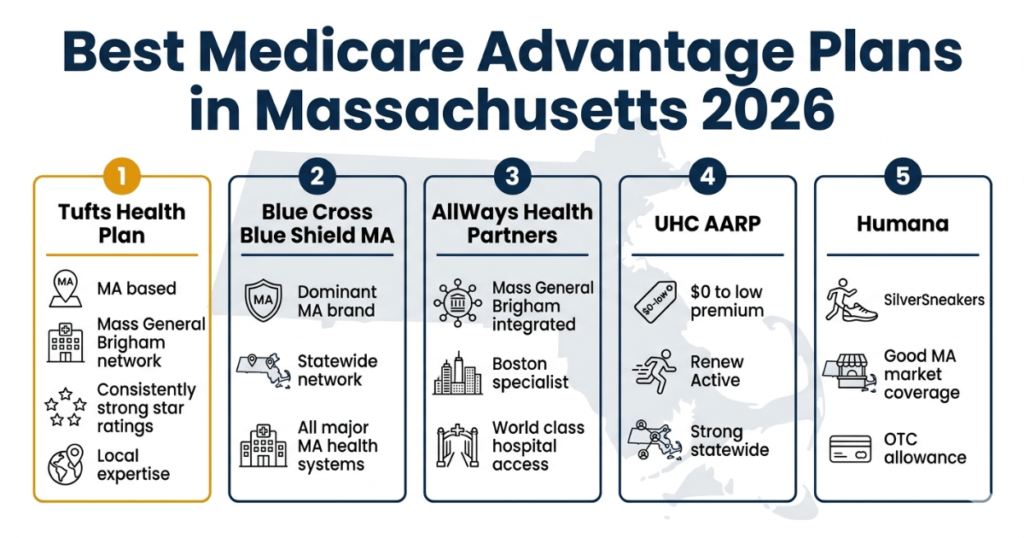
Finding the Optimal 2026 Medicare Advantage Plans
It suits individuals who can not pass complete underwriting but can answer a brief health survey honestly and receive a level advantage. And it suits individuals who desire the certainty of permanent cover at a premium that fits a set retirement income. It does not match somebody still changing an earnings.
A last cost insurance coverage pays money to the recipient you name. It is not tied to any particular funeral home and it does not need to be spent on a funeral service at all. That versatility is typically an advantage, but it puts weight on who you name. Name an individual who will actually be present and organized in the days after your death, and inform them the policy exists.
Some people choose to appoint a part of the advantage straight to a funeral supplier so the plans are paid without the family fronting money. That is a different arrangement from a pre-need or pre-paid funeral service agreement, which is regulated in a different way and is not insurance in the exact same sense. If you already hold one, inform us before purchasing, so you do not pay two times for the exact same thing.
Work out the real expected expense in your location, add a margin, and buy that. Paying premiums for years on an advantage twice the size of the need is cash leaving the home every month.
Getting Affordable 2026 Individual Health Insurance
Talk with us before canceling; minimizing the face quantity is typically possible. Keep the policy number where the family will find it. Do not think at the amount, and do not accept a round number from an ad. Rate the real requirement where you live, because funeral expenses vary commonly by region and by what you select.
You are entitled to buy just the products you want instead of a bundle. Call 2 or 3 suppliers near you and ask for that list. Build up the items your family would reasonably select the service, the coffin or cremation, the plot or urn, the transport, the death certificates.
And if you already hold a pre-need or pre-paid funeral service agreement, part of the expense may currently be covered, in which case a smaller final expenditure insurance coverage policy will do. Sizing it this way usually produces a lower number than the one people presume, which suggests a lower premium every month for the rest of your life.
Or call. We will tell you which benefit type you get approved for before you use, not after.
Burial insurance, also called funeral insurance coverage, is a helpful tool for loved ones paying for a left member of the family or buddy's funeral, funeral, headstone, urn, and other last costs. It is essentially a life insurance coverage policy, but with a much smaller benefit amount than standard life insurance. It's normally bought to cover final arrangements, but can also be utilized to pay the deceased's debts, consisting of medical costs, charge card expenses, home mortgage loans, and individual loans.

Latest Posts
Comparing Medicare Supplement Policies for 2026

Comparing Whole and Term Insurance Strategies
PPO vs HMO Health Insurance Explained